
Pest Control
Scorpion Species in Waco: A Comprehensive Guide
Scorpions are fascinating creatures that have intrigued humans for centuries. With their distinctive appearance and venomous sting, they have earned a reputation as both dangerous

Scorpions are fascinating creatures that have intrigued humans for centuries. With their distinctive appearance and venomous sting, they have earned a reputation as both dangerous
Insect pest infestations can occur in just about any indoor location including basements, attics, wall voids, and even the top floors of high-rise buildings. Both

Several centipede species inhabit central Texas, and they are all venomous, but luckily, the commonly encountered house centipede species’ is not able to penetrate human

The mosquito pest population was particularly high in central Texas this year, and several insect pest reports name Texas as one of the worst states

Scorpions are primitive organisms that inhabit a variety of regions throughout the world, and along with spiders, they are among the hundred thousand documented species
Most insect species favor habitats located in humid and rainy tropical to subtropical regions, and very few insect species have become well adapted to thriving
The group of beetles commonly known as “ground beetles” are widely regarded as beneficial insects due to their habit of preying on insect pests that
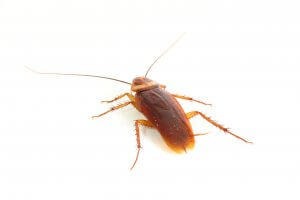
Several cockroach species are common indoor pests in central Texas, but none are as pestiferous as the German cockroach. The German cockroach has evolved to

In Texas, it is not uncommon for certain insect pests to invade entire neighborhoods in the millions where they pose a tremendous nuisance to residents.
The bloodsucking insect pests commonly known as “kissing bugs” belong to the genus Triatoma, and they are well known for their nighttime habit of invading
How To Know If The Swarming Insects In Your Texas Home Are Ants Or Termites We are well into the spring season, and summer is
Several ant species belonging to the Nylanderia genus have distinguished themselves as “tramp ants,” meaning that they have established an invasive habitat in a variety